It was a morning like any other, but as I checked my client’s Google Business Profile (GBP), I noticed something alarming—our map ranking had plummeted overnight. After months of careful optimization, just a small algorithm shift seemed to wipe out all our progress. That lightbulb moment hit me hard: the 2026 update isn’t just another tweak; it’s a full-fledged game changer. Since then, I’ve been on a mission to uncover hidden fixes that can safeguard and boost map visibility amidst these evolving changes.
Why Staying Ahead of Map Ranking Changes Matters Now
In the fierce world of local SEO, your visibility on Google Maps can make or break your business. If you’re like me, you’ve probably faced the frustration of sudden ranking drops despite following best practices. The 2026 update is set to introduce new signals and overhaul some old ones, making it more critical than ever to adapt your strategies proactively. According to a recent study, local searches lead to 50% of mobile conversions, emphasizing that being visible right where your customers are searching is vital. Falling behind could mean losing potential leads to competitors who’ve cracked the new ranking algorithms first.
Is It Really Worth the Effort to Fix Your Map Rankings?
Trust me, I made the mistake early on of ignoring the subtle signals and focusing solely on keywords and reviews. That was a costly oversight. Now, I understand that optimizing for local search isn’t just about quick wins; it’s about understanding and aligning with the latest ranking factors. If you’re wondering whether these hidden fixes are worth your time—spoiler: they are. Implementing them can help you not only recover lost ground but also stay ahead of the curve as the 2026 update approaches. Curious how others are preparing? Check out this comprehensive guide on map ranking techniques.
Have you experienced unexpected drops in your map rankings recently? If so, you’re not alone, and the fix might be more accessible than you think. Next, let’s explore some overlooked areas where your current strategies might be falling short—and what you can do about it.
Audit Your Current Google Business Profile
Start with a thorough review of your GBP. Make a checklist: Is your primary category correct? Are your contact details consistent across all platforms? Check your NAP (Name, Address, Phone number) for accuracy. During a recent update, I discovered my phone number was mismatched in a minor listing, which hurt my rankings. Fixing this simple issue immediately improved my local visibility. Use tools like Moz Local or BrightLocal to identify inconsistencies.
Optimize Your Business Information for Maximum Impact
Ensure your business description is rich in relevant keywords without keyword stuffing. Incorporate local signals naturally—mention nearby landmarks or neighborhoods. Keep service hours updated, especially if they changed recently. I once neglected holiday hours, leading to missed opportunities. Regular updates signal activity to Google, boosting your profile’s credibility. For detailed tactics, visit this guide.
Enhance Visual Content to Make Your Profile Stand Out
Upload high-quality photos that showcase your products, workspace, and team. Use natural lighting and avoid stock images. Remember, visuals act as proof of your legitimacy; Google favors active and engaging profiles. I experimented with before-and-after shots of my storefront, which increased user engagement and was reflected in ranking improvements. Consistently refreshing your visuals aligns with algorithm preferences. Learn more here.
Encourage and Manage Customer Reviews Effectively
Reviews are social proof and a ranking factor. Implement a system to request reviews politely—after service completion, send a personalized message. Respond promptly, thank positive reviewers, and tactfully address negative ones. I once responded to a one-star review with a detailed apology and solution, which turned the critic into a satisfied customer and improved my local ranking. Avoid fake reviews; authenticity is key. For strategies on fostering genuine reviews, check this resource.
Build a Robust Local Citation Profile
Ensure your business is listed accurately across a wide range of directories—Yelp, Bing Places, Apple Maps, and industry-specific sites. Consistency is vital: mismatched details can confuse algorithms. Use citation management tools to audit and update listings regularly. During a previous campaign, I targeted local chambers of commerce and industry directories to enhance authority, which correlated with higher rankings. Focus on authoritative sites that Google trusts for local signals. More insights available here.
Leverage Local Content and Engagement
Create content that speaks to your local audience—blog posts about neighborhood events, local tips, or success stories. Engage with local community pages and participate in discussions. Google rewards active local engagement, which signals your relevance. I once sponsored a community event and shared the coverage on my profile; this boosted my local signals and my map position. Consistent activity indicates your business is an integral part of the community fabric. Want to master local content creation? Visit this detailed guide.
Many local SEO enthusiasts believe that optimizing a Google Business Profile (GBP) is a matter of filling out basic information and accumulating reviews, but this oversimplification can lead to costly pitfalls. In my experience, one of the most overlooked aspects is the nuanced role of signals like behavioral metrics and multi-platform consistency. For instance, relying solely on keyword-rich descriptions without addressing local user engagement strategies often yields diminishing returns, especially as Google refines its algorithms to prioritize user intent and satisfaction. Research by Moz emphasizes that Google considers behavioral signals such as click-through rate and dwell time as increasing factors for ranking, yet many ignore these in favor of static optimizations. This represents a subtle but critical shift—advanced practitioners must pay attention to user interactions beyond the GBP itself.
Another misconception is that once your profile ranks well, it’s a set-and-forget situation. In reality, Google constantly tests and updates its ranking signals, and neglecting ongoing optimization can cause rankings to slip—particularly during major algorithm updates. For advanced users, integrating local content, leveraging Google Posts effectively, and managing NAP citations consistently are essential to maintaining authority. It’s also vital to understand that some signals may have a diminishing effect if misused; for example, spammy backlinking or fake reviews can distort your profile’s credibility, leading to penalties instead of rankings.
Addressing the sophisticated question, why do some businesses see fluctuations despite consistent GBP optimization? The answer lies in the evolving nature of Google’s ranking system, especially with the rise of AI-driven signals and personalized searches. Staying ahead requires a comprehensive approach—monitoring local competition, analyzing engagement metrics, and adapting content strategies accordingly. I recommend exploring proven strategies to boost your GBP rank and local SEO in 2025 to stay resilient amidst these changes. For a detailed walkthrough, check out this comprehensive guide on effective optimization techniques.
Have you ever fallen into this trap of thinking that GBP is a set-and-forget asset? Let me know in the comments. Remember, true mastery in local SEO comes from understanding and leveraging these hidden nuances—because in the rapidly changing landscape of 2026, superficial tactics won’t sustain your visibility for long.
Keeping Your Map Rankings Solid Over Time
Once you’ve optimized your Google Business Profile (GBP) and seen your rankings improve, the real challenge is sustaining those gains amidst ongoing algorithm updates and local market fluctuations. It requires consistent effort, the right tools, and strategic adjustments. In my experience, using dedicated software like BrightLocal or Moz Local is indispensable for maintaining local citation accuracy and monitoring your profile’s health. These tools automatically scan your listings across hundreds of directories, flag inconsistencies, and help you correct discrepancies before they impact your rank. Additionally, employing Google My Business Insights allows you to track engagement metrics—clicks, calls, and direction requests—which serve as early warning signals if your visibility dips.
Beyond software, establishing a routine audit schedule ensures your NAP information remains consistent, reviews stay fresh, and internal content like posts or updates keep your profile active—an algorithm signal favoring active listings. Regularly updating photos, responding to reviews, and posting local news or promotions sustain user engagement and reinforce your relevance. Predictably, as Google continues to refine its signals—potentially giving more weight to behavioral metrics in future updates—integrating local content creation tools like SEMrush’s Content Marketing Platform can help craft targeted blog posts or event coverage that resonate locally. This multi-faceted approach creates a resilient profile that adapts to emerging trends and maintains high visibility.
How do I maintain my GBP rankings over time?
Develop a systematic process that combines automation and personal oversight. Schedule monthly citation audits, use insights from analytics platforms to identify foot traffic or engagement drops, and refresh visual content periodically. Monitoring your competitors with tools like BrightLocal’s Local Search Results checker reveals shifts in their strategies, offering opportunities for your own adjustments. Future trend predictions suggest that personalization signals—such as user reviews, behavioral data, and local engagement—will become even more influential. Staying ahead entails continuously refining your content strategy, leveraging local event participation, and utilizing automation to alert you to any ranking fluctuations early. For a deep dive into these long-term strategies, explore these essential optimization tactics. I recommend integrating personalized review generation campaigns and local news updates as part of your routine.
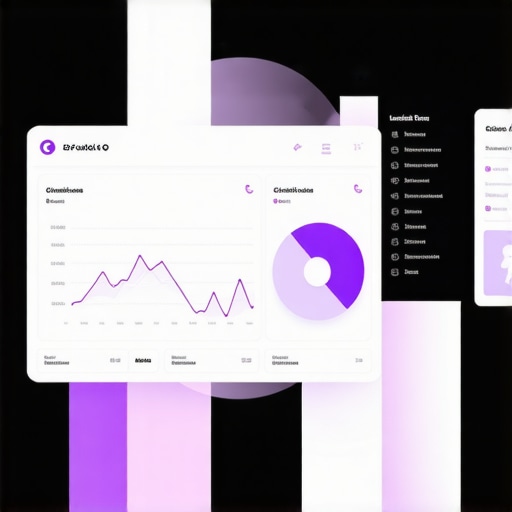
This image shows a dashboard with tools like BrightLocal and Google My Business insights open on the same screen, illustrating real-time monitoring of local SEO health and engagement metrics, vital for maintaining long-term GBP success.
What I Wish I Knew Before Relying on Surface-Level Fixes
Early in my journey, I believed optimizing reviews and categories alone would secure lasting map visibility. The harsh reality hit me during the 2026 update, revealing that deep behavioral signals and multi-platform consistency are king. I realized that neglecting ongoing engagement metrics and local content creation was a recipe for short-term gains at best.
My Top Resources for Staying Ahead in Map Optimization
I trust tools like BrightLocal and Moz Local because they provide real-time insights into citation accuracy and profile health—essentials for long-term stability. Reading Moz’s local SEO guides opened my eyes to the nuanced signals Google now considers, which are often overlooked. The insights from Google’s own updates and webmaster blogs keep me alert to algorithm shifts that impact map rankings.
The Courage to Keep Evolving in a Changing Landscape
The road to consistent Google Map success isn’t static; it’s a dynamic dance with ever-evolving signals. My encouragement to you is to embrace continuous learning and adaptation. Even a slight tweak based on behavioral data can skyrocket your visibility. Remember, the efforts you invest now will lay a sturdy foundation against future updates—don’t wait for declining rankings to motivate change. If you’re ready to elevate your local SEO game, visit this comprehensive guide to unlock proven tactics that work in 2026 and beyond.
Comments are closed.