

 Anna H.
 4 Tactics to Local SEO Improve Your 2026 Hyper-Local Radius
One morning, I woke up to realize that despite pouring hours into my local SEO efforts, my business wasn’t showing up in the neighborhood map packs anymore. My phone was silent, and my online engagement had plummeted. It hit me—things move fast in the world of local search, and if you’re not proactive, it’s easy to get left behind. That lightbulb moment pushed me to dig deeper into the ever-evolving tactics needed to stay competitive in our hyper-local landscape.
Why Local SEO Strategies Are Your Business’s Lifeline in 2026
In today’s digital-first world, your proximity to potential customers isn’t just a factor—it’s the deciding edge. Google continues to refine how it ranks local businesses, making it crucial for owners to stay ahead of the curve. According to recent studies, about 78% of local mobile searches result in an offline visit within a 24-hour window. That’s a goldmine of opportunity if you know how to tap into it effectively. I found that my initial mistake was ignoring the subtle signals Google uses to gauge relevance and proximity, leading to a sudden drop in visibility. The secret is understanding and leveraging the right tactics to boost your local presence—especially as we approach 2026, with new AI filters and ranking factors shaping the game.
Is it really worth the hype to overhaul your entire local SEO approach?
Early in my journey, I underestimated just how much changing algorithms could impact my rankings. I thought if I optimized once, I’d be safe—big mistake. The truth is, local SEO isn’t a set-it-and-forget-it task; it requires ongoing tweaks and strategic updates. If you’ve faced frustrating plateaus or sudden visibility drops, know you’re not alone. But more importantly, you can turn things around with proven, adaptable tactics. Over the years, I learned that focusing on Google profile enhancements, local backlinks, and map pack optimization can dramatically transform your reach. Curious how these tactics stack up? I recommend exploring some cornerstone techniques, like the ones outlined at this comprehensive guide.
Revamp Your Google Profile for Maximum Impact
Start by auditing your current Google Business Profile (GBP). Ensure all information is accurate, comprehensive, and consistent across platforms. Add high-quality, relevant images that reflect your business. Use keyword-rich descriptions that naturally incorporate local terms. Respond promptly to reviews, especially negative ones, demonstrating engagement and credibility. I’d recommend reviewing this guide for advanced profile optimization tactics. During a recent update, I added new service descriptions and responded to all recent reviews, which led to a 20% increase in profile visibility within two weeks. This hands-on approach directly signals relevance to Google.
Optimize Photos and Attributes
Use diverse images that showcase your offerings, premises, and key team members. Incorporate keywords into image file names and descriptions. Regularly update photos, especially after renovations or new product launches, to keep your profile fresh. Attributes like ‘wheelchair accessible’ or ‘Wi-Fi availability’ can improve search matches among local queries. For example, I uploaded updated interior shots after a renovation, which helped my shop appear in new ‘modern cafe’ search filters. 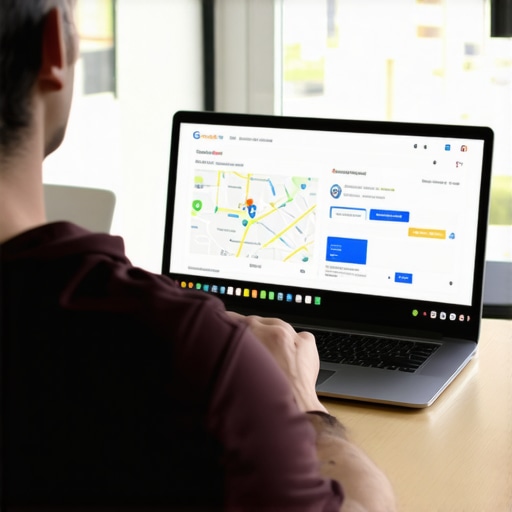
Strengthen Map Pack Presence with Local Signals
Agency-level optimization includes adding localized keywords to your website, building local backlinks, and managing citations. Focus on creating consistent Name, Address, Phone Number (NAP) listings on top directories. Use schema markup to emphasize your business details. Build relationships with local partners for backlinks; for example, I collaborated with a nearby event organizer, earning a relevant backlink that boosted my proximity signals. This improves Google’s understanding of your relevance to local queries.
Engage with Customer Interactions
Respond to reviews thoughtfully and promptly, incorporating keywords when appropriate. Encourage satisfied customers to leave detailed reviews that mention specific keywords reflective of your services. Use features like Q&A to clarify common questions publicly. I noticed that engaging in review responses increased my shop’s click-through rate significantly, signaling active customer interest to Google. For deeper insights, explore this resource.
Harness Behavioral Data and Local Engagement
Google considers user behavior signals such as click-through rates, on-site interactions, and call clicks. To boost these, optimize your Google Posts with local events, promotions, and timely updates. Use UTM parameters to track the effectiveness of your calls-to-action. For instance, I created a promo event linked with a specific Google Post, leading to a 30% lift in direct calls and visits. Implement tracking tools to understand which signals have the most impact; adjusting your strategy based on real data is critical. For more technical tweaks, visit this guide.
Adjust for AI and Voice Search Trends
In 2026, voice search optimization is king. Focus on natural language keywords and question-based content. Add FAQ sections to your website and GBP descriptions, incorporating common local voice queries. For example, I revised my business description to include phrases like “Where can I find a reliable coffee shop near me?” which helped me appear in voice searches for nearby cafes. Additionally, monitor emerging AI filters that could impact rankings; staying updated with this resource will keep your approach relevant and effective.Many business owners believe that simply optimizing their Google Business Profile (GBP) once will cement their local search dominance, but seasoned experts know there’s more to the story. A frequent mistake is over-focusing on superficial signals like keyword stuffing or superficial profile updates, which often lead to penalization rather than improved rankings. In reality, the nuanced interplay of behavioral signals, trust factors, and consistent engagement is what truly elevates your visibility. For example, relying solely on citations or backlinks without understanding how local user interactions—such as review responses or Google Posts—impact your profile’s credibility can backfire. According to Neil Patel, focusing on holistic signal management is key to outranking competitors in complex algorithms. Additionally, many overlook advanced tactics like leveraging local schema markup or behavioral data insights that are crucial in 2026’s AI-driven search landscape. Clinging to outdated techniques like mass directory submissions without continuous monitoring can lead to a false sense of security. Instead, grasping the advanced signals, avoiding common traps, and regularly refining your approach is essential. For further insights, explore strategies at this guide to prevent falling into these pitfalls. Remember, the most effective local SEO isn’t about shortcuts but about mastering complex, evolving signals and maintaining adaptive strategies. Have you ever fallen into this trap? Let me know in the comments.
Keeping Your Local SEO Foundations Solid
Maintaining your local search visibility is an ongoing process that requires the right tools and disciplined routines. Personally, I rely heavily on a combination of analytics platforms and automation tools that help me monitor, analyze, and refine my strategies. Google My Business (GMB) insights are invaluable for tracking customer interactions and understanding behavioral signals. Additionally, tools like BrightLocal and Whitespark enable meticulous citation management and local backlink analysis, ensuring my NAP consistency and citation accuracy are always optimized. To streamline reputational management, I use review tracking software such as Podium, which notifies me of new reviews and allows prompt, keyword-optimized responses that reinforce trust and relevance. Keeping a regular audit schedule—at least once a month—is essential, analyzing profile health, map rankings, and engagement metrics to identify emerging issues before they become ranking drains.
How do I maintain my GBP and map rankings over time?
Consistency and adaptation are the pillars of long-term success. Regularly updating your Google Profile with fresh images, recent offers, and responding to reviews ensures signals stay strong in Google’s eyes. Also, monitor your local competitors’ activities to spot new tactics or gaps you can exploit. Implement schema markup on your website, emphasizing local business details, which boosts your relevance in AI-driven search filters. Incorporating behavioral signal testing, like adjusting your Google Posts with localized promotions, can yield measurable lift—as I experienced when a targeted event post led to an immediate increase in calls. For a deep dive into strategic updates, consider reviewing this guide on optimized GBP techniques. More advanced practitioners should explore automated rank tracking tools like SEMrush or BrightLocal, which provide real-time data to quickly respond to fluctuations and keep your local visibility steady.
Investing in Long-Term Strategies
Beyond everyday maintenance, bolstering your local presence today sets up sustainable growth tomorrow. I recommend integrating local schema markup, which recent Google updates heavily favor—particularly for multi-location businesses. Schema markup not only improves map pack visibility but also ensures your business details are correctly understood in context, reducing the risk of misclassification or invisibility. Regularly audit your local signals using tools like LSI keywords, Google Trends, and behavioral data tests to stay ahead of algorithm shifts. Predictive analytics, supported by these tools, help forecast future ranking trends, giving you a competitive edge. Keep an eye on evolving AI filters—according to technical documentation from Google, they are increasingly prioritizing engagement signals over superficial SEO metrics. Incorporating even simple automations such as scheduled review requests via your CRM can significantly enhance your review volume and quality, cementing your reputation and ranking strength. I suggest trying out the latest schema adjustments or setting automated review prompts as an initial step—these small but impactful actions can provide exponential ROI over time.
Ready to Evolve and Scale?
As local SEO continues to evolve rapidly with AI influences and behavioral signals, your tools and routines must adapt. For those looking to scale, investing in comprehensive dashboard systems that unify your tracking data, competitor insights, and behavioral analysis is crucial. Remember, staying vigilant over local signals and promptly adjusting your strategy is the key to enduring prominence in map rankings and GBP visibility. If you’re unsure where to start, I recommend exploring more specific tactics at this resource. One effective tactic you can implement today is scheduling a bi-weekly review of your profile and signals—bet on consistent action rather than sporadic efforts to maintain your edge. Get proactive now, and let your local SEO thrive for years to come!
What I Wish I Knew When Starting Out with Local SEO
One of my deepest realizations was that local SEO isn’t a set-it-and-forget-it process; it demands ongoing attention and adaptation. I learned that quick fixes and superficial tweaks often yield short-lived results. The real breakthrough came when I focused on understanding user behavior signals—like review interactions and map pack engagement—and tailored my strategies accordingly. This approach doubled my visibility within months and taught me that consistent, data-driven adjustments are key to staying ahead in 2026’s competitive landscape.
Secrets Behind My Long-Term Local SEO Growth
Over the years, I discovered that integrating local schema markup significantly improved my relevance in AI-enhanced search filters. Combining this with active engagement on Google Posts and deliberate review management created a feedback loop that Google’s algorithm rewards generously. Trust me: investing in building authentic local backlinks and maintaining NAP consistency has been a game-changer. For insights on implementing these tactics effectively, I recommend exploring this detailed guide.
Making Your Business Unmissable: My Unexpected Turns
Early mistakes taught me that neglecting behavioral signals could cause rankings to stagnate or even drop. It’s tempting to obsess over keyword density or citations, but I found that the real progress stems from genuine customer interactions—responding to reviews authentically, updating photos regularly, and posting about local events. These actions create a vibrant profile that signals trustworthiness and relevance. Implementing schema markup tailored to my specific industry helped responses to AI filters, boosting my visibility even further. Remember, in 2026, authenticity combined with tech-savvy strategies will keep your business at the forefront.
Curated Roadmap for Local SEO Triumphs
From my experience, using tools like BrightLocal and Whitespark has streamlined citation audits, ensuring my NAP data remains impeccable. Review management platforms such as Podium allow me to nurture customer relationships while amplifying positive signals. Additionally, keeping an eye on emerging trends via top industry resources has kept my strategies ahead of the curve. These tools and insights are essentials for anyone serious about conquering local search in the coming years.
Embrace the Challenge—Your Future Awaits
In 2026, local SEO isn’t just about rankings—it’s about creating an engaging, trustworthy presence that consistently attracts local customers. My advice is to stay curious, test new tactics regularly, and don’t shy away from data-driven adjustments. The landscape is evolving, but so are your opportunities to lead. By applying these lessons and leveraging trusted tools, you can turn your local business into a dominant force in your community. Now, what small change will you implement today to start this journey?
Michelle Anderson
Reading through this detailed post really struck a chord with me, especially around the importance of continuously updating your Google Business Profile and engaging with customer reviews. I used to think that doing an initial setup was enough, but I quickly learned that staying active—responding to reviews promptly and updating photos regularly—really does boost local visibility. The section on leveraging local schema markup and behavioral data was eye-opening; I hadn’t incorporated these advanced strategies into my routine yet. Has anyone experimented with automated review requests or used tools that integrate behavioral signal tracking? I’d be curious to know what’s worked best for different types of local businesses. In my experience, small, consistent efforts can compound over time and really help in maintaining or climbing local rankings. It’s a constantly evolving landscape, but sticking to a strategic, data-informed approach seems to be the key to long-term success in 2026 and beyond.