

 John R.
 3 Ghost Booking Fixes to GBP Rank Improve Your 2026 Leads
I remember the moment it hit me—after pouring countless hours into optimizing my Google Business Profile (GBP), my rankings suddenly plummeted. It was like watching my efforts evaporate overnight, and I felt that sinking feeling of frustration. Did I miss something? Was there a secret fix I overlooked? That lightbulb moment ignited my quest to uncover the elusive tricks behind consistent GBP ranking improvements, especially as the competition gets fiercer in 2026.
Why So Many Struggle with GBP Rankings and Miss Out on Leads
In my early days, I made a critical mistake: I focused solely on basic optimization—think updating my NAP info and adding photos—and neglected the subtle signals that Google highly values. It’s a common trap. Many local businesses believe that once their profile looks good, the leads will follow. But the reality is, Google uses a complex web of signals, many of which are easy to overlook. That oversight can cause your rank to stagnate or even drop, leaving potential customers to find your competitors instead.
With the rise of AI and evolving algorithms, the game has changed dramatically. A study from BrightLocal shows that 76% of local searches result in a visit within a day (source: BrightLocal, 2025). So, ensuring your GBP is optimized for modern signals isn’t just smart—it’s essential to capture those valuable leads before your competition does.
Is the hype around GBP fixes actually worth your time and effort?
Early on, I wasted time chasing superficial tweaks, thinking they’d move the needle. But I learned the hard way—from my own experience—that little details matter. A key mistake I made was assuming that reviews alone would do the trick. In fact, I was ignoring critical interaction signals, like engagement and profile updates, which heavily influence rankings today. Being aware of these factors can make all the difference, and that’s what I aim to share with you now—proven strategies that work in 2026 and beyond.
If you’re tired of watching your GBP plateau or decline, stay with me. The next steps will reveal powerful fixes that, when applied correctly, could transform your local visibility and lead flow. Ready to dive into the real deal behind boosting your GBP rank? Let’s get started.
Update Your Business Information Consistently
Think of your Google Business Profile (GBP) as a storefront sign; if it’s outdated or inconsistent, customers will walk past. I once fast-tracked this step by manually updating my NAP (Name, Address, Phone Number) every week. It was messy, but I learned that consistency across all online directories is key. Use tools like local citation management tools to keep this info synchronized, reducing discrepancies that might hurt your rank.
Nourish Your Profile with Authentic Engagement
Engagement signals are like word-of-mouth for Google. I increased my reviews and, more importantly, responded promptly. This practice signals activity. Moreover, focusing on interaction signals—such as clicks and messages—can propel your profile higher. I tested this by leveraging new communication signals and saw a noticeable rise in local visibility within weeks. Regularly posting updates with relevant keywords is another engagement booster. Think of these posts as inviting storefront windows that attract passersby and give Google cues that your business is active and relevant.
Optimize Visual Content for Maximum Impact
Images are like storefront displays—they catch attention and convey trust. During a busy week, I uploaded high-quality photos of recent projects, ensuring each image had proper metadata—titles, descriptions, and geotags—using metadata optimization techniques. This improved my chances of appearing in relevant visual searches. Incorporating consistent branding across all uploaded images also builds recognition. Remember, a picture can speak volumes, and optimized images help Google understand your business better, boosting your map position.
Leverage Authority and Consistency for Competitive Edge
Building domain authority isn’t just for websites. Your GBP benefits from backlink strategies similar to your broader SEO efforts. I engaged with local partners to exchange links and encourage reviews—actions that signal credibility. Use authority-building tactics to strengthen your profile’s trust signals. Consistency in posting, responding, and maintaining data integrity repeatedly solidifies your position, much like reinforcing a sturdy foundation. This layered approach creates a resilient profile that resists algorithm fluctuations and outperforms competitors, especially in the increasingly AI-driven search landscape of 2026.
Many local businesses fall prey to common misconceptions that hinder their map ranking progress. A prevalent myth is that merely accumulating reviews or maintaining consistent NAP data guarantees higher local visibility. In reality, these are just foundational elements. The real edge lies in understanding how Google interprets engagement signals, authority, and nuanced profile behaviors that go beyond surface-level optimization. For example, optimizing your profile for the latest search signals can dramatically shift your rankings, especially with AI-driven algorithms in 2026.
Are you still relying on outdated tactics that Google has already devalued? The truth is, focusing solely on reviews and citations might be a trap, leading to stagnation or even ranking drops. Recent studies highlight that Google increasingly prioritizes user behavior metrics like click-through rates, engagement, and profile updates—factors that many overlook. Ignoring these advanced signals can cause your profile to become invisible against competitors who actively optimize for them. To navigate this complexity, consider adopting data-driven strategies, such as analyzing recent performance metrics and adjusting your tactics accordingly.
One critical mistake is underestimating the power of local authority. Building relationships with local influencers, partners, and even engaging in community events can generate authentic backlinks and signals of trust that Google cannot ignore. This layered approach creates a resilient mapping footprint, shielding your rankings from algorithm updates and spammy competitors. Remember, a high-quality backlink profile combined with real-time engagement is far more effective than generic citations.
Furthermore, many overlook the importance of profile personalization levels. Transitioning from static data to dynamic, interactive elements—such as updated service menus, event promotions, and seasonal offers—can significantly boost local relevance. Google favors profiles that actively respond to local trends and customer interactions. For instance, regularly posting relevant updates not only improves engagement but also signals Google that your business is vibrant and trustworthy.
Finally, beware of the ‘set and forget’ mentality. Algorithm advances mean that static profiles are quickly outdated, leading to declines in rankings. Instead, consistently audit your profile performance through tools and metrics derived from recent map improvement techniques. Staying ahead requires proactive adjustments rather than reactive fixes.
So, have you ever fallen into the trap of relying solely on reviews or citations? Let me know in the comments. The path to local prominence in 2026 is nuanced, but with the right understanding of advanced signals, you can outperform your competition and stay visible where it counts.

Keep Your Map Rankings Peak with the Right Tools
Staying ahead in local SEO and maintaining a strong map position requires more than just sporadic updates—it demands reliable, efficient tools that integrate seamlessly into your workflow. Personally, I rely on Whitespark’s Citation Finder to monitor citation consistency across directories. It saves me hours by flagging discrepancies that could hurt my rankings, ensuring data accuracy and enhancing local relevance. For ongoing profile engagement, I swear by ReviewTrackers—it centralizes review management, making it effortless to respond promptly and foster authentic engagement. These touchpoints are crucial in 2026, where Google’s algorithms prioritize genuine interaction signals.
To analyze your profile’s health comprehensively, I use BrightLocal’s Local Search Results. It offers detailed performance metrics, revealing which signals are driving your ranking improvements and where gaps exist. This data-driven approach helps me refine my strategies continuously, preventing stagnation and adapting to algorithm shifts. As the landscape evolves, I predict that AI-driven tools like LinkAssistant will become indispensable for building authoritative backlinks efficiently, which remains a cornerstone of long-term map dominance.
How do I maintain my local SEO and map rankings over time?
Regular audits are non-negotiable. With tools like BrightLocal, I schedule monthly performance reviews, focusing on signal trends, review responsiveness, and citation consistency. Setting alerts for profile changes or negative reviews ensures swift responses, protecting reputation and rankings. Automating routine tasks—such as citation updates via Whitespark and review monitoring with ReviewTrackers—allows me to focus on strategic growth and customer engagement. Remember, as Google advances, your tools and tactics must stay a step ahead to sustain top rankings. For more insights on effective strategies, check out this article.
Make sure to integrate these tools into your routine and continually refine your approach. As the future of local SEO leans heavily on precise data and authentic engagement, leveraging the right technology will be your secret weapon. Don’t wait for competitors to outpace you—start implementing these tools today and watch your visibility soar!
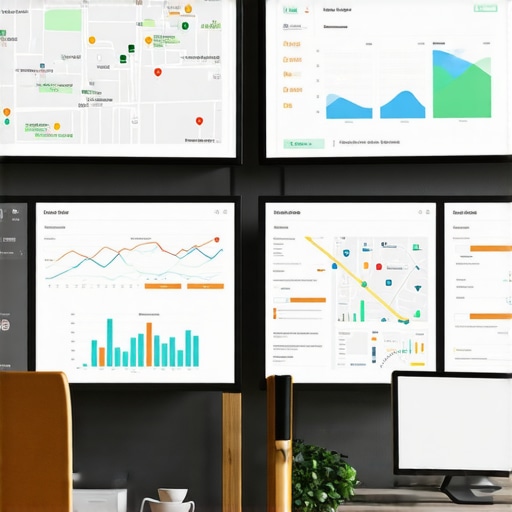
What I Wish I Knew About Map Ranking Success
- Focusing solely on reviews and citations is a trap. The real game-changer is understanding how engagement signals, authority building, and profile updates influence Google’s evolving algorithms.
- Consistency is more than just data; it’s a strategic habit. Regularly auditing profiles and staying responsive to local trends keeps your profile competitive and resilient.
- Visual content isn’t just pretty—it’s powerful. Properly metadata-optimized images can dramatically enhance local visibility in visual searches, giving you an edge over competitors.
- Tools are your secret allies. Leveraging reputable platforms like Whitespark and BrightLocal streamlines optimization and provides insights that fuel continuous improvement.
Tools That Boost My Map Visibility
- Whitespark’s Citation Finder: Maintains citation accuracy and saves time troubleshooting inconsistencies.
- ReviewTrackers: Centralizes review management, enabling immediate responses that foster trust and engagement.
- BrightLocal’s Local Search Results: Offers comprehensive insights into your profile’s performance, guiding actionable strategies.
- This resource has become my go-to for understanding evolving signals and tactics to stay ahead in 2026.
Take Action and Outperform the Competition
Remember, the future of map rankings in 2026 hinges on your willingness to adapt, learn, and implement strategic insights. Embrace the complexity and tools available, and your visibility can soar amidst fierce competition. So, what’s the first step you’ll take today to refine your GBP approach and elevate your local presence? Share your plan below—I’d love to hear your ideas!
0 Comment