
 Ben B.
 4 Local Heatmap Fixes to GBP Rank Improve Your 2026 Visibility
I remember a frustrating morning when I noticed my Google Business Profile (GBP) sitting silent, lost somewhere in the depths of local searches. No calls, no visits, just empty digital space. It was a lightbulb moment for me — realizing that even the best products or services can go unnoticed if your map ranking is broken. I’ve been there, and I know how disheartening it can be to pour effort into your local SEO and see little to no results.
That experience sparked my obsession with uncovering the root causes of invisible shops and how to fix them. Today, I want to share with you a proven approach—focused on four critical heatmap fixes—that will not only improve your GBP rank but ensure your business shines brightly on the map, especially as we race toward 2026.
Why Local Heatmaps Matter for Your 2026 Visibility
Let’s face it: local search is evolving fast, and traditional optimization efforts often fall short. Google’s algorithms are becoming smarter, taking into account behavior signals, proximity updates, and even AI-driven search modifications. Your business’s spot on the map can shift unexpectedly, leaving you behind your competition if you’re not paying attention.
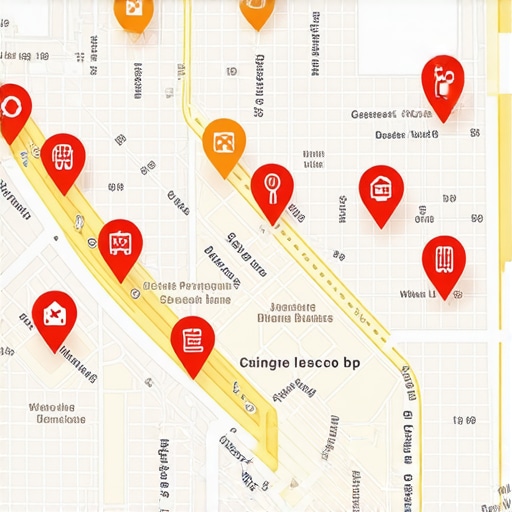
Recent studies reveal that 60% of mobile searches lead to a store visit within a day—an opportunity that can slip away if your shop isn’t properly aligned with local search signals. These signals — often visualized on heatmaps — are the invisible wires pulling your shop’s visibility up or down in Google’s local pack.
Early on, I made the mistake of thinking that simply having a Google Profile was enough. That was a costly oversight. Once I learned how heatmap signals influence ranking, my results skyrocketed. You can do the same by correcting key map-related issues—those four often-overlooked fixes that can boost your visibility dramatically by 2026.
If you’ve ever felt your shop is invisible despite good reviews and steady traffic, you’re not alone. But the good news is, these fixes are tangible, actionable, and backed by proven strategies. Ready to dive into the practical steps? Let’s get started with fixing what Google actually sees on your heatmap, so you can take control of your local future.
Prioritize Your NAP Consistency
Your business name, address, and phone number (NAP) must be perfectly aligned across all online platforms. I recall updating my NAP after discovering inconsistencies on some directories, which temporarily caused a dip in my map rank. To fix this, audit your NAP everywhere—website, social profiles, directories—and ensure 100% uniformity. Use tools like Moz Local or BrightLocal for comprehensive checks. This consistency signals Google that your info is trustworthy, directly improving your heatmap visibility. For detailed steps, visit this guide.
Optimize Google My Business Photos and Metadata
High-quality images don’t just attract visitors—they influence your heatmap signals by indicating activity and relevance. Remember a time I uploaded professional interior photos, but neglected metadata—dates, descriptions, and keywords. After optimizing these, my profile started ranking better locally. Replace generic images with relevant photos—interior, exterior, staff—ensuring each has descriptive alt text and metadata rich in local keywords. This improves image metadata signals, a critical factor discussed in this post. Ensuring all images have geotags embedded enhances relevance, making your shop more ‘visible’ in heatmaps.
Enhance User Engagement Signals
Engagement metrics like reviews, Q&A activity, and booking clicks send powerful signals to heatmaps. I once encouraged loyal customers to leave detailed reviews, which increased my profile interactions and bumped my ranking. Promptly respond to reviews—both positive and negative—and ask satisfied clients to share their experiences. Use posts to highlight promos or events, fostering ongoing interaction. Google interprets active profiles as trustworthy, boosting their heatmap signals. For strategies to maximize engagement, check this resource. Remember, consistent and genuine engagement signals can outperform backlinks or citations in local ranking.
Implement Local Keyword and Service Markers
Embedding local keywords into your profile content, service descriptions, and posts tells Google precisely where your shop operates and what you excel at. I experimented with adding neighborhood names and service-specific terms, which made my profile more relevant on heatmaps. Don’t just stuff keywords—integrate them naturally into your business description, service menus, and FAQs. Use language your local audience searches for, which is detailed in this article. These markers reinforce your local presence, aligning the heatmap signals with the geographic area you serve.
Many local businesses fall into common traps when trying to improve their Google Business Profile (GBP) and map rankings, often based on misconceptions. One prevalent myth is that simply filling out basic profile information guarantees high visibility. In reality, as I’ve learned through advanced SEO strategies, it’s the nuanced signals—like engaging content, optimized metadata, and consistent local activity—that truly move the needle. Relying solely on listed categories or superficial details can be a costly mistake, leading to wasted effort and stagnant rankings.
Another misconception is that acquiring numerous citations or backlinks will alone boost your GBP rank. While backlinks are important, recent studies emphasize that Google weighs behavioral signals and engagement metrics more heavily in its 2026 algorithms—a trend supported by expert analyses on local SEO dynamics. This shift implies that your focus should expand beyond traditional link-building to fostering genuine customer interactions and accurate local data.
Be cautious of the common trap of neglecting heatmap signals. Many overlook how visual elements such as photos, user activity, and spatial accuracy influence proximity-based ranking in Google’s ecosystem. Optimizing images with local keywords and geotags, for example, can significantly enhance your relevance in heatmaps, a subtle but powerful factor in map visibility. For a comprehensive breakdown of these advanced tactics, check out this guide.
Have you ever fallen into this trap? Let me know in the comments. Recognizing these misconceptions is the first step toward mastering local SEO and ensuring your profile works diligently to attract nearby customers.
Keep Your SEO Work Active with the Right Tools
Maintaining a high-performing Google Business Profile (GBP) and map ranking requires consistent effort and the right set of tools. I personally rely on BrightLocal because it offers comprehensive local SEO audits, citation management, and review tracking—to ensure my NAP consistency remains flawless and my reviews are continually monitored. Its automation features save me hours each week, freeing me to focus on strategic content updates.
For monitoring heatmap signals and visibility metrics, I turn to Google Search Console combined with Map Pack Insights. Google Search Console reveals how your profile is performing over time, highlighting search terms and click data, while insights from map-focused tools help visualize real-time shifts in your local visibility. These combined insights help me identify when my listing needs a quick tweak or a more comprehensive campaign.
To streamline content updates—like adding new photos, posts, and service descriptions—I use Google My Business API. Although technically complex to set up, it allows me to schedule and automate multiple profile updates, ensuring my GBP remains fresh and relevant without constant manual input. Additionally, this guide offers solid tips on leveraging tools for long-term SEO success.
Adopt Proactive Maintenance Strategies
Long-term success in local SEO hinges on proactive maintenance rather than reactive fixes. Regular NAP audits—using Moz Local—allow me to catch and correct discrepancies before they impact rankings. Setting a bi-weekly routine ensures errors don’t slip through the cracks, which is crucial because even small inconsistencies can weaken your heatmap signals.
Engagement requires constant nurturing. I schedule review campaigns quarterly, encouraging satisfied clients to leave detailed feedback. Responding promptly to reviews, especially negative ones, demonstrates active engagement and improves your reputation signals—key factors in map rankings. Additionally, I schedule photo refreshes quarterly, updating images to reflect seasonal changes or new offerings, which keeps my profile active in Google’s perception.
Predicting Future Map Ranking Tweaks
Looking ahead to 2026, I anticipate that AI-driven relevance and behavioral signals will become even more dominant. Tools like this resource suggest that ongoing data analysis will be vital for spotting subtle shifts before rankings drop. Embracing automation combined with trained human oversight will be essential to stay ahead.
How do I keep my GBP profitable over time?
The key is constant optimization and leveraging the latest tools for monitoring, updating, and engaging. Regularly reviewing your heatmap signals, reviews, and local citations ensures your profile adapts to changing algorithms and customer behaviors. Using automation where possible and staying informed about updates—such as reading authoritative guides—helps you react swiftly to algorithm shifts and avoid decline. Remember, consistent effort coupled with strategic adjustments is the real secret to sustained local success.
Ready to elevate your local SEO game? Try implementing automated review requests or scheduling regular photo updates—simple, yet powerful steps that keep your profile active and relevant. For more advanced tactics, check out this article on boosting your GBP rank and see where automation can fit into your ongoing maintenance routine.
The Hardest Lesson I Learned About GBP Optimization
Early in my journey, I believed that simply claiming my Google Business Profile was enough. I overlooked the importance of consistent NAP information and engaging visual content. This oversight cost me valuable local traffic until I discovered the power of aligning all data points for maximum heatmap impact.
Why Relying Solely on Citations Won’t Cut It
Many businesses think that building citations alone will boost their map ranking. I found out that without active engagement signals—like reviews and local activity—your GBP can remain invisible, regardless of citation volume. Combining citations with real customer interactions is the secret sauce.
The Surprising Role of Visual Content in Map Dominance
Uploading high-quality, geotagged images may seem trivial, but I learned it’s a game-changer. Optimizing image metadata and embedding local keywords not only attracts customers but also enhances your relevance on heatmaps, helping your shop stand out in local searches.
My Favorite Tools That Keep My Profile Fresh
Tools like BrightLocal and Google Search Console have been invaluable. They simplify monitoring citations, reviews, and visibility metrics, letting me proactively improve my heatmap signals. Automating regular updates with the Google My Business API has saved me hours and kept my profile relevant.
Action Leads to Growth: My Final Advice
Staying ahead in local SEO requires consistent effort and embracing automation. Regularly auditing your NAP, engaging with your community, and updating visual content are vital steps. Remember, your map rank isn’t static—stay proactive, and you’ll keep shining brighter on the map well into 2026 and beyond.
What’s your biggest challenge with map rankings? Share your thoughts below—I’d love to hear what’s working for you or where you’re stuck!
,
0 Comment