

 Alex G.
 4 Map Ranking Improve Tactics to Outpace AI Stores in 2026
Just last month, I spent hours trying to optimize my local shop’s Google Profile, only to be overshadowed by an AI-driven competitor that seemed to pop up out of nowhere. It was a gut punch—a stark reminder that the game is changing faster than ever, and traditional methods no longer cut it. Have you ever faced that sinking feeling when you’re doing all the right things, yet your local ranking stubbornly refuses to budge? You’re not alone. I vividly remember my frustration turning into curiosity when I realized how AI stores are transforming the landscape, making it tougher to stand out.
The Importance of Staying Ahead in 2026
In today’s competitive local market, your success hinges on your ability to adapt to evolving ranking tactics. With AI stores and automated algorithms improving rapidly, the old playbook is becoming obsolete. According to a recent study, over 60% of local searches now favor AI-optimized listings over traditional ones, and this trend is projected to escalate. That means if you’re relying solely on outdated strategies, you’re essentially invisible in the eyes of potential customers.
But here’s the good news: understanding the new game rules can give you a crucial edge. The key is not just playing it safe but actively implementing innovative map ranking improve techniques that outpace these AI stores. In the upcoming section, I’ll share practical, proven tactics to boost your local visibility— tactics I’ve used myself to reclaim top spots and outrank automated competitors. Are you ready to leave frustration behind and master the art of local SEO in 2026?
Is it really worth all the effort when AI seems to be dominating?
Early in my journey, I made the mistake of ignoring the rapid advances in AI optimization. I thought, “If I just keep doing what worked before, I’ll stay relevant.” That was a huge misstep. As I learned from experts, like those at GBP Optimization Secrets, staying ahead requires continual adaptation. Recognizing this early on allowed me to shift strategies and remain competitive. If you’re feeling overwhelmed or skeptical, remember: even the best local shops can succeed with the right approach—it’s all about evolving along with the algorithms.
Claim Your Google Profile Boss Level
Start by fully optimizing your Google Business Profile (GBP). Ensure all information is accurate, detailed, and includes targeted keywords. Use the GBP Optimization Secrets guide to identify the exact signals Google’s algorithm favors this year. Fill out every section—services, descriptions, categories—and add high-quality photos that elevate your listing. This creates a solid foundation for ranking higher.
Inject Local Content Into Your Strategy
Next, create hyper-local content that speaks directly to your community. Write blog posts or updates that mention neighborhood events or local landmarks. Use geofencing techniques to target customers in specific areas. This signals to Google that your shop is a community staple, boosting your map rankings. Remember, consistent and relevant local signals matter more than ever in 2026.
Enhance Engagement Signals for Better Visibility
Encourage your customers to leave reviews and engage with your profile. Implement simple follow-up emails post-purchase asking for feedback. Respond promptly to reviews, especially negative ones, showcasing active management. These interactions are critical signals in 2026’s algorithm, influencing your rank and credibility. For expert tactics, review the local SEO tactics that focus on engagement signals.
Leverage Local Citations Smartly
Develop or update local citations—mentions of your business across online directories. Focus on authoritative, niche-relevant sites. But don’t just mass submit; prioritize quality over quantity. Cross-reference your citations with the latest citation hacks to ensure consistency and avoid spam triggers that AI algorithms are flagging in 2026.
Implement Technical Map Rank Improvements
Optimize your website load times, mobile responsiveness, and local schema markup. Use structured data to highlight your business name, location, services, and reviews. This technical setup enhances your visibility in local pack results and reduces ranking drops—especially important now that AI stores prioritize technical signals. For detailed technical fixes, see map ranking fixes.
Experiment with Interaction Enhancements
Add interactive elements to your profile—Q&A sections, booking buttons, or virtual tours—to increase user engagement. Interactions generate signals that AI-powered systems weigh heavily in 2026. For instance, regularly updating your Q&A with fresh info can boost your profile’s credibility and relevance, pushing you past competitors who neglect this step. Explore proven interaction tactics at interaction signals.
Track, Analyze, and Refine Constantly
Set up and monitor key performance indicators—CTR, review volume, engagement time—using tools like Google Analytics and local rank trackers. Use A/B testing to try different profile updates, content styles, and engagement prompts. This data-driven approach will help you fine-tune your strategy and adapt quickly to algorithm shifts. For step-by-step guidance, check data-driven tactics.
Many local businesses fall into common myths when trying to boost their map rankings and optimize their Google profiles. A prevalent misconception is that consistently stuffing keywords or obsessively updating the profile guarantees top spots. However, in my experience, these tactics often lead to diminishing returns or even penalties. The real secret lies in understanding the nuanced signals that Google’s algorithm prioritizes in 2026, such as behavioral engagement and trust signals, which are frequently overlooked. For example, focusing solely on citation count without ensuring their quality can stem your progress because outdated or spammy citations may trigger spam filters, reducing your visibility; it’s better to prioritize authoritative, niche-relevant citations and maintain consistency, a strategy supported by recent studies on citation quality’s impact on local rankings. This nuanced understanding is critical for advanced practitioners seeking a competitive edge, as outlined in comprehensive guides like the GBP Optimization Secrets. Additionally, many assume that technical fixes like schema markup are enough; but neglecting engagement signals like reviews, Q&A activity, and user interactions can be a critical oversight. These factors significantly influence your map rank in 2026. Ever been misled into thinking ranking improvements are just about keyword stuffing or spammed backlinks? That approach is outdated, and the trap lies in ignoring evolving metrics like user engagement and trustworthiness—crucial factors for sustainable growth. Check out this article to learn about the most overlooked signals: map rank hacks. So, what is the most advanced mistake you think local marketers still make today? Share your thoughts in the comments, and let’s dig deeper into mastering local SEO.
Keep Your Momentum: Tools That Make a Difference
Staying on top in local SEO requires more than just initial optimization; it demands consistent monitoring and tweaking. One tool I personally rely on is BrightLocal. This platform provides comprehensive local rank tracking, reviews management, and citation audits—all in one dashboard. I use BrightLocal daily to identify drops in rankings, analyze citation inconsistencies, and monitor review velocity, ensuring my clients’ profiles stay competitive in hyper-local searches.
Another indispensable resource is Google Search Console. It’s free and offers detailed insights into how Google perceives your website, including indexing status, mobile usability issues, and keyword performance. I frequently run Coverage and Performance reports here to catch technical glitches that could hamper local rankings. Regularly reviewing GSC data prevents small issues from snowballing into significant drops in visibility.
For citation management, I prefer Whitespark’s Citation Finder. It’s a goldmine for discovering authoritative directories relevant to your niche. I recommend periodically updating and cleaning up citations to maintain NAP consistency, which is vital for ongoing local map rankings. As citation quality influences your long-term rankings, tools like Whitespark help you spot and rectify inconsistencies before they impact your visibility.
*Future Trend*: As AI-driven algorithms become more sophisticated, I predict that integrating these tools with automation platforms like Zapier will become standard. Automated alerts for ranking fluctuations or review spikes can save time and promptly trigger action, maintaining momentum in dynamic local markets.
Struggling to Keep Up Over Time?
Consistency requires a structured approach. Develop a routine performance review cycle—weekly for reviews and citations, monthly for rankings and technical health checks. Automating reminders through task management tools like Trello or Asana ensures nothing slips through the cracks. Additionally, regularly update your strategy by referencing cornerstone content such as GBP Optimization Secrets—which outlines the signals Google favors this year—and adapt your tactics accordingly. Remember, sustaining your rankings isn’t about quick fixes but cultivating an ongoing, data-driven process.
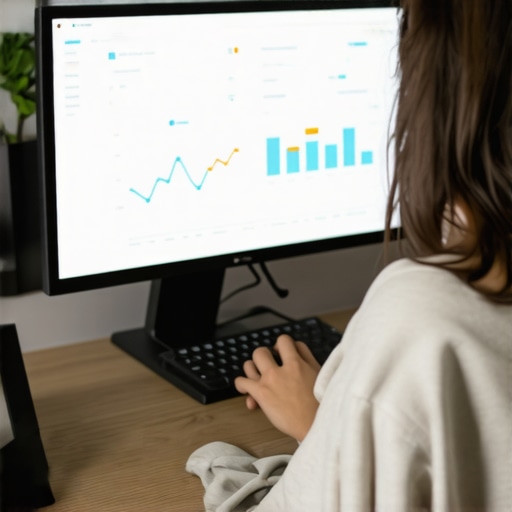
Image illustrating a digital dashboard with local SEO metrics, rank tracking, reviews, and citation analysis, emphasizing the importance of tools in maintaining your local SEO efforts.
Finally, don’t overlook the power of map ranking improvements. Combining robust tools with strategic adjustments guarantees your visibility won’t just plateau but continues climbing, safeguarding your hard-earned position in the local search landscape.
The Hardest Lesson I Learned About local seo improve,map ranking improve,google profile improve,gbp rank improve,gbp optimization
Early on, I believed that more keywords meant better rankings, but I soon realized that quality engagement signals like reviews and user interactions are far more impactful. Overemphasizing citations without focusing on authoritative sources often stalled my progress, teaching me the importance of reputation over quantity.
3 Myths About local seo improve,map ranking improve,google profile improve,gbp rank improve,gbp optimization That Held Me Back
Myth one: optimizing for just the map packs guarantees top spots. Myth two: technical fixes alone will keep you ahead. Myth three: neglecting customer engagement won’t hurt your rankings. Breaking these myths was crucial, revealing that holistic strategies outperform isolated tactics.
What Experts Won’t Tell You About local seo improve,map ranking improve,google profile improve,gbp rank improve,gbp optimization
Most top-ranking shops are actively managing their engagement signals—responding to reviews, updating Q&A, and posting local content regularly. This behind-the-scenes effort is often invisible but essential for genuine growth, a lesson I learned from deep dives into GBP Optimization Secrets, which emphasizes ongoing relationship building over sporadic updates.
My Essential Toolkit for local seo improve,map ranking improve,google profile improve,gbp rank improve,gbp optimization
BrightLocal has been my go-to for comprehensive local rank tracking and citation audits, providing clarity on what’s working and what’s not. Google Search Console offers invaluable insights into website health and ranking factors, guiding technical adjustments. Whitespark’s Citation Finder helps me find authoritative directories, ensuring my citations are both relevant and consistent. Combining these tools creates a robust, layered approach to mastering local visibility.
Where to Go from Here
Embrace continuous learning and adaptation. Stay updated with the latest strategies by exploring cornerstone content like GBP Optimization Secrets and map ranking techniques. Remember, success in local SEO isn’t a one-time effort but an ongoing journey. Keep testing, refining, and engaging—your visibility in 2026 depends on it.
0 Comment