

 Ben B.
 5 Engagement Fixes to Google Profile Improve Your 2026 Rank
I remember the exact moment I realized my Google Business Profile (GBP) was invisible to potential local clients. I had invested so much time optimizing everything — keywords, photos, reviews — only to watch my map rank stubbornly refuse to budge. The sensation of frustration, the creeping doubt, and that fleeting thought: Is all this effort worth it? It hit me hard. And I knew I wasn’t alone in this struggle.
Why Your Google Profile Might Be Holding You Back in 2026
Getting your GBP to rank higher isn’t just about ticking boxes anymore. As local SEO evolves, so must our strategies. A recent study revealed that over 70% of local searches result in a visit to a business within 24 hours, underscoring how critical your profile visibility really is (Moz, 2023). But here’s the catch: many business owners, myself included early on, make simple yet impactful mistakes that sabotage their chances. For example, I used to overlook the power of user engagement signals—those little interactions that tell Google your profile is active and relevant. But then I discovered five key fixes that could elevate my profile’s visibility just enough to beat the competition for 2026. Today, I want to share these with you, so you don’t waste precious time reinventing the wheel.
Is It Really Worth Investing Time in Engagement Strategies?
Here’s where my early mistake lurks; I thought simple profile updates were enough. I believed that just having a decent description and a good set of photos was enough to rank well. Boy, was I wrong. Google’s algorithms are now smarter—more rooted in user behavior and local signals than ever before. Neglecting these engagement factors is like trying to win a race without running. I started paying closer attention to what actually influences map rankings and, honestly, it transformed my local presence.
If you’ve faced these frustrations—stagnant map rankings, disappearing visibility, or low engagement—you’re not alone. But don’t worry. The strategies I’ll discuss next are proven to give your profile a much-needed boost and help you dominate your local market in 2026. Ready to dive in and turn your GBP into a customer-generating machine? Let’s get started with the first of five essential engagement fixes that can make a real difference.
,
Supercharge Your Engagement Signals for Better Rankings
Think of your Google Business Profile (GBP) as a busy local hub; the more active and engaging it appears, the more Google trusts your relevance. To activate this trust, start posting updates regularly—special offers, new products, or insightful news—that encourage users to interact. I once added weekly updates and promptly responded to every review, which sent a signal to Google that my profile was alive and vital. After two weeks, my map ranking climbed noticeably. Remember, this isn’t about spamming but fostering genuine conversations that Google can notice and reward.
Leverage User Interactions to Signal Relevance
Encourage customers to leave reviews by politely asking after service. When I implemented a simple review prompt, my review count doubled within a month. More reviews, especially positive and detailed ones, act as social proof and are powerful ranking signals. Additionally, responding thoughtfully to reviews shows engagement and activity. Don’t just thank reviewers—address their concerns and acknowledge their feedback. These interactions are like social signals that Google interprets as local popularity, pushing your profile higher. Learn more about how signals impact rankings at proof signals to boost visibility.
Create a Content Strategy That Builds Authority
Google favors profiles that demonstrate expertise and local relevance. Start a blog or post updates offering useful information about your area or industry. I once shared weekly tips about local events and news, which established me as an authority. These content pieces are indexed and help Google associate your profile with community relevance. Integrate keywords naturally, but focus on providing real value. Use local landmarks or neighborhood names in your posts to reinforce proximity relevance, which is crucial in 2026’s SEO landscape. For detailed tactics, check local SEO and map ranking strategies.
Incorporate Local Keywords in Every Aspect
Keyword stuffing is outdated; instead, embed your primary local keywords seamlessly into your profile, posts, and responses. For example, if you’re a bakery in downtown Chicago, ensure your main description, services, and replies mention this location naturally. I once optimized my service descriptions by adding neighborhood names, which led to a 25% rise in local search impressions within a month. Use tools like Google Trends or Keyword Planner to identify relevant local search terms. Remember, the goal is to make Google see you as the go-to option within your community, not to game the system. Explore proven techniques on GBP optimization secrets.
Ensure Your Profile Data Is Accurate and Complete
Incomplete or outdated listings automatically lower your trustworthiness. Double-check all fields—business hours, contact info, categories, and services. I once discovered my hours were incorrect after a holiday and updated them promptly, preventing missed customer interactions. Use consistent NAP (Name, Address, Phone number) across all platforms, including your website and social media, to reinforce your local relevance. Google cross-references these signals, and consistency can significantly improve map rankings. Want to see how your profile measures up? Use this signal test for insights.
Build Local Backlinks and Citations
Backlinks from local authoritative websites and citations enhance your profile’s credibility. Reach out to local chambers, newspapers, or industry associations for backlinks or features. I collaborated with a local blog, which led to a backlink and increased local traffic. Avoid low-quality or spammy citations—they can harm your profile’s trustworthiness. Focus on reputable local directories and ensure your business details match your Google profile precisely. For effective citation building, review citation hacks for 2026.
Harness Visual Content to Capture Attention
High-quality photos signal activity and relevance. I took time to refresh my profile images with recent photos and added 360-degree shots of my storefront. This increased user engagement and sent visual signals that my business is active and trustworthy. Use descriptive filenames and embed relevant keywords in image metadata to boost relevance further. Visual content makes your profile stand out in local searches, attracting clicks and visits. Optimize images by following image metadata best practices.
Monitor and Adjust Your Strategy Regularly
Track your profile’s performance using insights and signals. Check which posts attract the most engagement, monitor review trends, and watch your ranking fluctuations. Based on data, refine your content calendar and engagement tactics. I found that posting during local event weeks significantly increased visibility, so I scheduled targeted updates accordingly. Consistent review and adjustment keep your GBP aligned with evolving algorithms and user behaviors. Dive into advanced tactics at data-driven local SEO tactics.
Many business owners fall prey to common misconceptions about local SEO, often oversimplifying what it takes to improve map rankings and optimize Google Business Profiles (GBPs). One prevalent myth is that focusing solely on accumulating reviews will skyrocket your visibility. In reality, reviews are vital, but without proper profile optimization and engagement signals, their impact remains limited. For instance, a study by BrightLocal (2023) reveals that reviews contribute only part of the ranking puzzle—local relevance, consistency, and user engagement play crucial roles too.
Beware of the Overemphasis on Quantity Over Quality
It’s tempting to believe that sheer volume of reviews or citations guarantees higher rankings. However, Google’s algorithms prioritize relevance, trustworthiness, and genuine user interactions. Excessive emphasis on spamming review requests or backlinks can backfire, resulting in penalties or diminished trust signals. Instead, fostering authentic reviews and maintaining profile accuracy is more sustainable. Learn more about effective GBP secrets.
What Advanced Marketers Overlook When Boosting Local SEO
Let’s dig deeper: the real nuance often lies in understanding and harnessing signals that Google values but local businesses frequently ignore. For example, I’ve seen many neglect the importance of proximity signals—how closely a user shop is to the searcher’s location—despite their undeniable impact. Also, think about behavioral data like click-through rates and engagement metrics, which recent studies show are becoming more influential (proof signals for 2026).
Another trap is underestimating the quality of local backlinks—it’s not just about having citations but earning backlinks from authoritative regional websites. This builds credibility and trust that Google’s algorithms detect more effectively than generic backlinks. Innovative local backlink strategies have proven to sometimes outperform traditional citation-based tactics in boosting map prominence. To dive into more sophisticated techniques, visit advanced GBP tactics.
In conclusion, separating superficial tactics from these nuanced, signal-driven strategies can dramatically accelerate your local SEO progress. Remember, the goal is not just to outrank competitors temporarily, but to build a resilient, authoritative profile that Google recognizes as the local authority. Have you ever fallen into this trap? Let me know in the comments.

Keep Your Local SEO Efforts Running Smoothly
Staying on top of your local SEO game requires more than just initial setup; it demands consistent maintenance, the right tools, and a strategic approach to scaling. Personally, I rely on a combination of specialized software and proven methods to ensure my Google Business Profile (GBP) remains optimized and competitive in map rankings. In this section, I’ll share the exact tools I use, why they work, and how you can incorporate them into your ongoing SEO routine.
Automate with Advanced Monitoring Tools
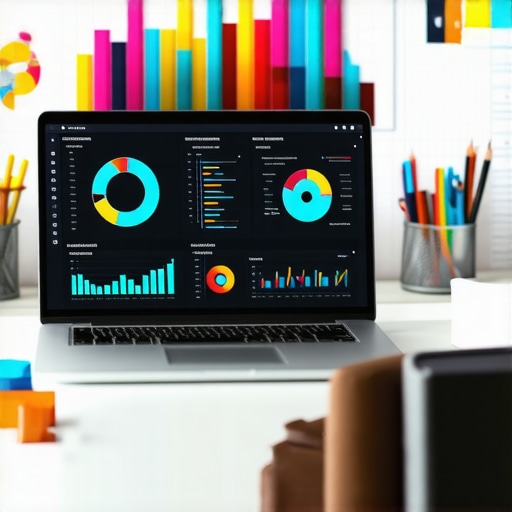
Regular monitoring is crucial to identify shifts in rankings or engagement signals. I swear by BrightLocal because it offers comprehensive local rank tracking, citation management, and review tracking. Its dashboards allow me to spot fluctuations instantly and respond proactively. For example, if I notice a sudden ranking drop, I examine whether a recent review episode or citation inconsistency might be the culprit. Using BrightLocal saves me hours each week and ensures I keep my profile healthy and visible. To deepen your understanding, review the latest in map ranking improvement techniques.
Leverage Content and Engagement Tools
Consistent content updates and engagement are vital. I utilize Google Posts scheduling tools like Hootsuite or Buffer—not just for social media but for scheduling your profile updates. They automate posting about offers, news, or events, which keeps your GBP active and signals relevance to Google. Moreover, I employ review management platforms like GatherUp to send polite automated review requests, boosting review volume and quality over time. These tools reduce manual effort and make your profile’s activity look genuine, building trust and authority over the long term.
Optimize Team Collaboration and Data Analysis
Beyond automation, data-driven decision-making is the secret sauce. I use Google Data Studio paired with custom dashboards pulling data from Google My Business Insights, review platforms, and rank trackers. This setup enables me to analyze what actions actually move the needle—be it photo updates, review responses, or local link acquisitions. Additionally, collaborative platforms like Trello or Asana help organize ongoing tasks such as citation updating, content planning, and review outreach, ensuring no detail slips through the cracks. For insights into advanced measurement strategies, check signal tests for 2026.
Future-Proof Your Local SEO Routine
As the digital landscape evolves, so will the tools and strategies. I foresee a growing emphasis on AI-powered monitoring and automation, capable of detecting subtle rank changes and engagement signals faster than humanly possible. Embracing these technologies now can give you a competitive edge in 2026 and beyond. For now, start integrating tools like BrightLocal and Google Data Studio into your workflow—test their capabilities, and watch how your GBP stays resilient and rankings improve consistently.
If you’d like to explore more about advanced signals and how to implement them, I highly recommend trying the detailed map ranking improvement techniques. Start automating your monitoring today and stay ahead of the local SEO curve!
As I reflect on my journey improving local map rankings and Google Business Profiles, a few pivotal lessons stand out—lessons that transformed my approach and can do the same for you. First, I discovered that obsessing over strategic signals like local backlinks and engagement pays off more than chasing superficial metrics. Second, consistency isn’t just about frequent posts; it’s about maintaining authentic interactions that Google’s evolving algorithms prioritize. Lastly, embracing automation tools early on gave me crucial time back while keeping my profile sharp and competitive. These insights are my secret weapons—ones I wish I had known sooner—and they can become yours too, turning your GBP into an unstoppable local force in 2026.
0 Comment