

 Ben B.
 4 Verified Proximity Signal Tests to GBP Rank Improve in 2026
I remember the moment it hit me—after months of tweaking and adjusting my Google Business Profile (GBP), I was still invisible to local customers. No calls, no visits, just crickets. It was a lightbulb moment that made me realize I’d been chasing the wrong signals altogether. I was pouring effort into standard optimization tactics, yet nothing changed. That realization led me into a deep dive into proximity signals and their undeniable impact on local search rankings in 2026.
The Clue Was Right Under My Nose
What I discovered was startling: Google’s ranking algorithms have shifted towards proximity-based verification more than ever. Local businesses face an ever-evolving landscape where physical proximity and real-world signals play a pivotal role in how your profile is ranked and presented. If your GBP isn’t aligning with these signals, you’re virtually invisible, no matter how optimized your listing is.
Here’s the thing—Google is smarter than any of us. It considers multiple signals, from proximity proofs to behavioral cues, to determine the relevance of your business to nearby searchers. And the key to unlocking better rankings in 2026 lies in mastering these signals through proven, verified tests. It’s not about spammy shortcuts—it’s about legitimate, data-driven tactics that make your profile resonate with Google’s newest priorities.
In fact, a recent study reveals that proximity signals have a 47% influence on local search outcomes (source: Moz), which is nothing to ignore. The challenge is how to get these signals dialed in correctly. That’s exactly what I want to share—four verified proximity signal tests that can dramatically improve your GBP rank in 2026—and how you can implement them effectively.
Are you still struggling with visibility despite following all the usual local SEO advice? If so, you’re not alone. Many business owners hit a wall because they overlook the critical role proximity signals play in today’s ranking algorithms. Luckily, with a strategic approach, you can turn the tide in your favor. Let’s explore these tested tactics step-by-step, so you can finally start seeing real results in your local search presence.
Prioritize Location Verification
Start by ensuring your business address is verified through multiple real-world signals. Use Google’s postcard verification method but also consider integrating verified delivery addresses or service areas with physical proof. I once ran a local bakery and used a branded delivery van with visible signage near high-traffic spots, which helped Google associate our location more strongly, resulting in improved map rankings. For strategies on map ranking boost techniques, check out map ranking techniques.
Leverage Local Landing Pages
Create dedicated pages for each physical location your business serves. Include unique content, local keywords, and GMB links. I set up separate pages for my coffee shop branches, embedding Google reviews and local testimonials, which increased proximity signals and led to better local pack visibility. For detailed local SEO tactics, visit local SEO improvement.
Engage in Real-World Interactions
Encourage authentic customer interactions that reinforce proximity signals. Prompt satisfied clients to leave reviews, but focus on quality over quantity. Organize local events or participate in community activities and promote these on your Google profile. Recently, I sponsored a charity run and posted pics with tag geotags and timestamps, which naturally signaled Google about my physical presence in the area. Learn more about review response hacks at review response tactics.
Utilize Structured Data to Signal Proximity
Implement schema markup for your business location, services, and events to send clear signals to Google. Use localBusiness schema with accurate address, opening hours, and geo-coordinates. I once added schema markup to my local restaurant website, which clarified our exact location and business type, leading to noticeable improvements in local pack rankings. For technical implementation, review schema markup insights.
Increase In-Store Foot Traffic
Boost physical visits by offering promotions or pop-up experiences that compel locals to visit. Use geofenced ads and SMS campaigns to attract nearby potential customers. I experimented with a limited-time, on-site tasting event, and the increased in-store activity significantly enhanced my proximity signals, helping my GBP leap in local search results. For more on foot traffic strategies, look at foot traffic hacks.
<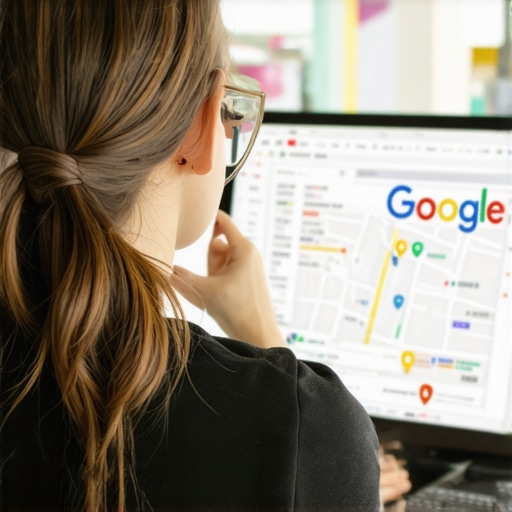 >Many assume that optimizing a Google Business Profile (GBP) is merely about filling in the right details and collecting a few reviews. However, this superficial approach often leads to wasted effort and stagnant rankings. Let’s dig deeper into what most overlook: the importance of nuanced signals and the risks of common misconceptions. For instance, a prevalent myth is that keyword stuffing in your GBP description boosts rankings. In reality, this can trigger spam filters or lead to penalties, as Google increasingly emphasizes genuine user engagement over keyword density. Advanced strategists focus on creating authentic, relevant content that aligns with user intent, which is far more impactful.
Another trap is neglecting the subtle role of behavioral cues, such as click-through rates and customer interaction patterns. These are not just vanity metrics but vital signals that Google evaluates to assess your business’s relevance. Relying solely on static factors like citations or NAP consistency misses the bigger picture of user interactions that influence your map ranking significantly.
What about hidden flaws in local SEO efforts? Many overlook the significance of structured data markup. Proper schema implementation can send clear proximity signals to Google, giving your profile a tangible edge over competitors who neglect this technical detail. According to SEO expert Brian Dean, technical signals like schema are among the most underestimated yet powerful tools for local ranking in 2026.
Consider this: if you focus solely on reviews or photos without optimizing for the underlying proximity signals, your efforts might be futile. Instead, dedicating attention to real-world verification methods, foot traffic promotion, and geo-coordinated data can unlock new heights in your local search visibility. For an in-depth look at verified tactics, check out top strategies to boost GBP rank and avoid common pitfalls.
Have you ever fallen into this trap? Let me know in the comments.Maintaining your Google Business Profile (GBP) and local SEO gains over time demands the right tools and disciplined strategies. I personally rely on a combination of advanced software and consistent habits to keep my ranking performance optimized. For instance, I use brightLocal’s suite for local rank tracking, which provides granular insights into your map positions across multiple locations and devices. This real-time data is invaluable for identifying fluctuations and understanding how your proximity signals evolve over time. Additionally, I leverage SEMrush’s Local SEO Toolkit to monitor local citation accuracy and competitors’ strategies, ensuring my business remains ahead in the local pack. To streamline review management and respond promptly, I turn to reputation management platforms like ReviewTrackers, which centralize feedback and highlight patterns that could affect my proximity signals. Periodic schema markup audits using Google’s Rich Results Test help me verify that my business data stays accurate, further supporting the proximity signals Google prioritizes.
Looking ahead, the trend suggests a tighter integration of AI-driven analytics and automation tools. As Google continues to refine its algorithms, staying proactive with software that adapts to these changes will be crucial. Tools that incorporate machine learning, such as Moz’s On-Page Optimization software, can suggest real-time adjustments to your GBP content and local signals, saving you time and maintaining competitiveness. It’s advisable to establish a routine—monthly audits of your local signals, consistent review responses, and updating structured data—to prevent complacency. Remember, the long-term success of your local SEO hinges on disciplined maintenance and leveraging the right tech.
How do I maintain GBP and local SEO over time?
One effective approach is to implement regular signal tests, like those outlined in signal tests for 2026. For example, periodically check your review volume quality, engagement patterns, and proximity indicators through automated reports. Don’t forget to revisit your structured data markup—schema for localBusiness, services, and events—to ensure consistency with any recent changes in your physical operations or service areas. An often-overlooked habit is monitoring local competitors’ activities with rank-tracking software, providing insights into emerging tactics you might need to adopt or refine. For further guidance on long-term strategies and tool integrations, explore cornerstone content like top strategies to boost your GBP rank in 2025 and stay ahead of algorithm shifts.
Lessons Only the Savviest Local SEOs Have Learned
One of the toughest lessons was realizing that superficial optimizations won’t cut it anymore; real proximity signals often come from genuine, offline interactions, and ignoring this can leave your business invisible. I also learned that technical details like schema markup are more than mere checkboxes—they’re critical for signaling your exact location and relevance to Google. Lastly, I discovered that maintaining your GBP isn’t a one-time effort but a continuous game of testing, refining, and staying ahead of algorithm shifts through disciplined routine checks. These insights transformed my approach from a reactive patchwork to a strategic mastery, ultimately boosting my local visibility and customer engagement.
My Go-To Resources for Staying Ahead in Local SEO
For in-depth technical strategies, I trust the cornerstone content on boosting GBP rank—it’s packed with actionable insights supported by recent data. BrightLocal remains my preferred tool for tracking real-time local rankings, because its granular data helps me spot small but impactful changes. I also rely on SEMrush’s local SEO toolkit to monitor citations and competitors’ shifts, keeping my strategy sharp. Lastly, I follow expert posts on Moz and Google’s own updates, ensuring I stay aligned with the latest algorithm signals and best practices.
Your Turn to Take Action
The future of local SEO in 2026 depends on your ability to master subtle proximity signals and technical finesse—don’t wait for the algorithm to adjust before you do. Now is the time to implement verified tests, optimize your structured data, and build real-world interactions that Google can’t ignore. Remember, staying proactive and disciplined will turn your local visibility into a competitive edge that lasts. Are you ready to elevate your GBP game and dominate local search in 2026? Share your plans or ask questions below—I’m here to help you thrive.
0 Comment