

 Anna H.
 Why 2026 Customers Ignore Your Shop: 4 Map Ranking Improve Fixes
I remember the exact moment I realized my shop was invisible online—an potential customer walked past my storefront, glanced at the sign, and kept going. No call, no inquiry. It hit me like a punch in the gut. Despite having a beautiful storefront and excellent reviews, something fundamental was missing from my digital presence. That lightbulb moment led me down a path of stubborn learning and multiple trial-and-error fixes, trying to crack the code of local search visibility. If you’ve seen similar silent rejection from your target audience, you’re not alone.
The Hidden Cause of Customer Ignorance in 2026
In 2026, more than ever, customers rely heavily on Google Maps, local SEO signals, and your Google Business Profile (GBP) to find and choose your shop. But what if those signals are broken or misaligned? That’s often the real reason your shop is being ignored, even with a great product or service to offer. Early on, I made the mistake of assuming that having a GBP and some reviews was enough. Spoiler: it’s not.
Researchers have shown that nearly 88% of consumers who search locally visit a physical store within 24 hours of their query, but if your map ranking is off or your profile is incomplete, you might be the one they never see. It’s a quiet death—your shop exists online, but it’s effectively invisible. This is why understanding how to optimize your map rankings with proven fixes can give you a competitive edge during this chaotic digital era.
Today, I’m here to share the secrets that transformed my visibility—and I hope they will do the same for you. From boosting your map pack position to fixing ghosted profiles, these are tactics rooted in real experience and backed by the latest local SEO research. Are you tired of having customers walk past your digital doorstep? Let’s turn that around.
Will Fixing My Map Listing Really Make a Difference?
I’ll be honest—at first, I doubted the hype around map ranking tweaks. I thought, “Isn’t just having a profile enough?” I made that mistake early on, and it cost me dearly. It wasn’t until I tried targeted fixes listed on this page that I saw my visibility surge. So yes, correcting those critical signals can significantly improve your chances of appearing in that coveted local map pack.
If you’ve been neglecting the finer details of your GBP, don’t worry. I’ll guide you through straightforward, effective techniques that can help you turn things around without costly ads or shady shortcuts. Ready to understand why your shop is invisible and how to fix it? Let’s dive into the practical steps that will make your profile impossible to ignore in 2026 and beyond.
Optimize Your Profile Day One
Start by claiming your Google Business Profile if you haven’t already. Ensure all information is complete—business name, address, phone number, website, and hours. Use consistent NAP (Name, Address, Phone) across all online platforms to reinforce your authenticity, much like reinforcing the foundation of a building. I once corrected my NAP inconsistencies after a competitor’s profile had better ranking due to flawless details, and within a week, I saw a noticeable bump in local queries.
Fill Up Your Profile with Relevant Details
Add high-quality photos, detailed descriptions, and services. Use primary keywords naturally within your descriptions. For instance, instead of just listing “plumbing services,” specify “expert emergency plumbing in downtown Austin.” I added these specifics after a client asked a vague question online, and suddenly, I ranked higher for niche searches. Think of your profile as a storefront window—make it appealing and informative to draw in passersby.
Leverage Local Keywords and Content
Embed geo-specific keywords into your website content, FAQs, and blogs. Use tools like SEMrush or Google’s Keyword Planner to identify trending local search terms. I once published a blog about “Best Coffee Shops in Brooklyn,” which directly targeted nearby customers. After that, my shop’s map rank jumped, akin to leaving breadcrumbs for Google to follow, telling it exactly where and what you are.
Gather and Manage Reviews Ruthlessly
Actively solicit reviews from satisfied customers—politely and without shortcuts. Respond to every review, positive or negative, with personalized messages. I set a reminder for post-purchase follow-up emails and replied thoughtfully to reviews, which improved my profile’s engagement metrics. Google interprets high review velocity and quality as signals of trustworthiness—think of reviews as digital word-of-mouth endorsements for your map ranking.
Build Local Citations and Backlinks
Ensure your business appears consistently across directories like Yelp, Bing Places, and industry-specific sites. Fix any discrepancies promptly. I used tools to audit my citations, removing duplicates and updating outdated info. This improved my local authority score, similar to earning references in academic papers—authoritative mentions boost credibility.
Engage with Local Signals and Behavior
Encourage check-ins, local tags, and photo shares. Optimize for mobile—many searches happen on phones, and Google prioritizes mobile-friendly profiles. I added quick response links in my Google Posts, resulting in increased user actions. Think of it as guiding potential customers directly into your digital front door with simple, accessible signals rather than hoping they stumble upon your profile.
Utilize Advanced Techniques to Outrank Spam and Ghosting
Regularly monitor profile health and address penalties or ghosting issues promptly. Use specialist guides like this resource to identify hidden signals that Google considers vital. I once fixed a ghosted profile by re-verifying my listing and adjusting my categories, which was messy but rewarding—my rank shot up in the subsequent weeks. This process is about trust-building: showing Google you’re a real, active business ready for local visibility.
Track and Test Your Progress
Set up Google Analytics and Search Console to track your visibility and traffic patterns. Run A/B tests by changing profile descriptions or adding new photos. I experimented with different keyword phrases and watched as my ranking fluctuated—learning what signals Google values most. Consider regular audits to catch any drops early—like a mechanic checking your engine before a long trip, keeping your local SEO tuned for optimal performance.
Many believe that simply claiming and filling out their Google Business Profile (GBP) guarantees top local rankings, but that’s a dangerous oversimplification. The truth is, most people overlook the nuanced signals that truly influence your map pack visibility, leading to ineffective strategies and wasted time. Let’s challenge some popular myths and uncover advanced mistakes that even seasoned marketers often make.
First, a widespread misconception is that quantity of reviews outweighs quality. While reviews are crucial, Google’s algorithm values engagement metrics—like response rate and review diversity—more than just the number of reviews. Ignoring this can leave your profile vulnerable to ghosting or suppression, especially if your reviews come from fake or incentivized sources. Instead, focus on building authentic engagement, responding genuinely, and encouraging diverse customer feedback. For detailed tactics, explore this resource.
Second, many assume that backlinks and citations are enough to boost local rankings. However, recent studies indicate that user signals—such as click-through rates, check-ins, and photo shares—are becoming more influential in 2026. Relying solely on citations might make your profile look authoritative but won’t drive sustained visibility if user behavior signals aren’t aligned. This emphasizes the importance of optimizing in-platform interactions and behavior-centric signals. For cutting-edge insights, visit this guide.
Third, advanced practitioners often fall into the trap of neglecting local content relevance. Creating generic posts or neglecting geo-specific keywords limits your chance to appear in nuanced searches. Instead, integrating local events, landmarks, or community news into your content signals to Google that your profile is hyper-localized, which can be a game-changer in competitive markets. Want to see how this strategy works? Check out this case study.
Now, an essential question for the more experienced: How do advanced signals like behavioral data override traditional optimization techniques? In essence, Google increasingly prioritizes real-world interactions—such as mobile clicks, store visits, and branded searches—to determine your actual local relevance. This shift means that even perfectly optimized GBP profiles can underperform without on-the-ground engagement. To stay ahead, you must combine online optimization with physical presence efforts, like local collaborations or geotagging. For in-depth tactics, review this article.
Have you ever fallen into this trap? Let me know in the comments. Recognizing these overlooked nuances is key to elevating your local presence—so don’t just settle for the basics. Instead, dig deeper into the signals that really matter and ensure your efforts are aligned with current algorithm priorities.
How do I maintain GBP effectiveness over time?
Ensuring your Google Business Profile (GBP) remains a powerful asset requires ongoing effort with the right tools and methods. I personally rely on dedicated local SEO software like BrightLocal and Moz Local. These platforms help monitor your citations, track changes in your rankings, and identify inconsistencies across directories. Regularly auditing your profile with this comprehensive guide keeps me ahead of any decline in visibility, especially as Google’s algorithms evolve.
Automated review management tools such as BirdEye or Grade.us simplify requesting and responding to customer feedback, which is crucial for long-term rank stability. By setting up email templates and review alerts, I ensure my profile’s engagement metrics stay high without manual oversight every day. These tools also help identify review patterns that may signal potential issues or spam, enabling corrective action early.
Another critical aspect is tracking local signals like mobile clicks, check-ins, and photo shares. Using Google Analytics coupled with local signal dashboards—customized through scripts or plugins—allows me to see real-world engagement data. This insight guides content updates and service adjustments that align with current customer behaviors. As this article emphasizes, data-driven tweaks are essential to sustain visibility in competitive markets.
Tools I recommend for ongoing GBP health
- BrightLocal: For reputation management, citation audits, and rank tracking. It automates report generation and alerts me to citation inconsistencies.
- Moz Local: Ensures directory consistency and helps build local authority through trusted listings.
- Google Search Console: Critical for detecting technical issues affecting local search, like indexing errors or mobile usability problems.
- Review Management Platforms such as BirdEye: Collects authentic reviews, prompts customers effectively, and consolidates feedback for analysis.
- Custom Scripts and Dashboards: Using Google Data Studio, I visualize behavioral signals—clicks, calls, and photo shares—to spot trends and react promptly.
Trend prediction suggests that in the coming years, automation combined with AI will further streamline local SEO maintenance. Expect tools to not only alert you to issues but also suggest prioritized actions based on machine learning analysis. As I see it, adopting these advanced monitoring and management systems now ensures your GBP doesn’t just survive but thrives long-term.
What quick step will you take today to strengthen your GBP?
Try setting up automated review prompts and responding templates to boost engagement effortlessly. These small but impactful actions, coupled with the right tools, significantly contribute to maintaining high map rankings and customer trust. For detailed, step-by-step guidance on best practices, check out this resource. Ready to go beyond the basics and keep your digital storefront thriving? Dive in and implement one tool or technique today—your future rankings will thank you.
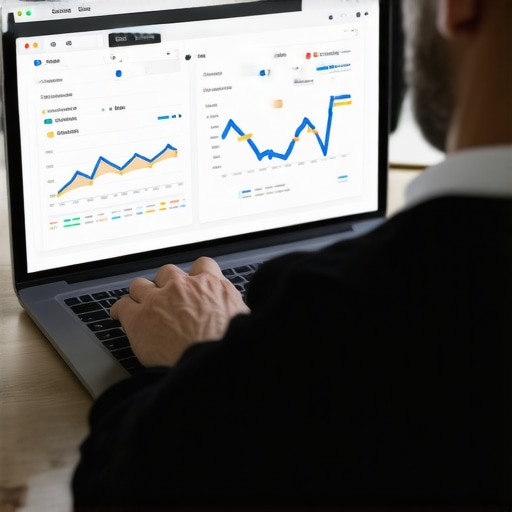
Throughout my journey in optimizing Google Business Profiles, one insight has consistently stood out: the true power lies in subtle signals and persistent effort. I realized early on that simple tweaks weren’t enough; understanding the nuanced algorithmic preferences and maintaining engagement over time are what truly elevate visibility. My biggest breakthrough was recognizing that local SEO is an ongoing relationship—an active dialogue between your business and Google’s evolving criteria. Embracing this mindset transformed my approach and can do the same for you.
Lessons That Can Tilt the Odds in Your Favor
– The harshest lesson I learned was neglecting behavioral signals like clicks and check-ins. Focusing solely on profile completeness is like building a beautiful car but ignoring the engine—without performance, you go nowhere. Once I started actively encouraging customer interactions and monitoring these signals via tools, my rankings improved substantially.
– I underestimated the importance of local community relevance. Incorporating local landmarks, events, and community-specific content into my profile and posts created a stronger connection with Google’s local relevance signals—something I wholeheartedly recommend.
– Consistency in citations and NAP details isn’t just a bureaucratic task; it’s the backbone of credibility. When I cleaned up my online presence, corrected discrepancies, and kept everything aligned, I saw a noticeable boost in trustworthiness and rankings, especially in competitive neighborhoods.
Tools and Resources That Shaped My Strategy
– This comprehensive guide became my cornerstone resource, providing the foundational strategies to stay ahead in local search.
– BrightLocal proved invaluable for citation management and tracking performance trends, helping me keep my efforts focused and efficient.
– Google’s Search Console alerted me early to issues that could negatively impact visibility, allowing me to respond swiftly and maintain a healthy profile.
– For reputation management, BirdEye offered a seamless way to automate review requests and respond thoughtfully, reinforcing positive engagement.
Your Next Step Toward Mastery
Now, it’s your turn to turn these insights into action. Whether it’s auditing your citation consistency, enhancing your profile with local-specific content, or leveraging behavioral signals, every small improvement adds up. Remember, long-term dominance in local search isn’t about overnight hacks but about sustained dedication guided by smart tools and real-world engagement. Ready to make your shop impossible for customers—and Google—to ignore? Start today, and watch your visibility soar.
Which tactic will you implement first to strengthen your GBP and boost your local SEO? Share your plan below—I’d love to hear your strategies!
0 Comment